Other related Agribusiness
Equine Businesses
Veterinary Medicine
Veterinary Medicine

Equine Businesses:
Horseback Riding Schools & Lesson Programs | Boarding Stables (Full, Partial, Self-Care) | Training Barns (Colt Starting, Discipline-Specific) | Breeding Farms & Stud Services | Farriers (Hoof Care Specialists) | Equine Veterinarians & Mobile Vet Services | Animal Haulers & Transport Services | Crop & Feed Haulers Supporting Equine Farms | Tack Shops & Saddle Fitters | Riding Clubs & Associations | Equine Therapy Programs (Hippotherapy, Therapeutic Riding) | Show Barns & Competition Facilities | Trail Riding Businesses & Outfitters | Rodeo & Performance Horse Operations | Horse Leasing Companies
Veterinary Medicine
Veterinary Medicine
Veterinary Medicine
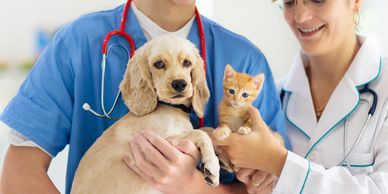
Veterinary practices face a unique mix of medical, professional, property, and operational risks every day. From malpractice claims and animal injury to drug handling liability, employee injuries, cyber threats, and expensive medical equipment, even one incident can create significant financial and legal exposure. Properly structured veterinary insurance is essential to protect the practice, staff, patients, and long-term income from unexpected losses.
Animal Mortality
Veterinary Medicine
Animal Mortality
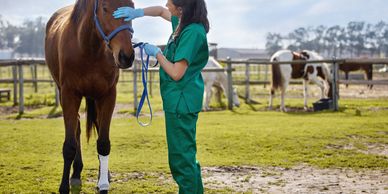
Animal mortality represents the financial risk associated with the unexpected death of an insured animal due to illness, injury, accident, or disease. For owners of high-value animals such as horses, livestock, and breeding stock, a loss can mean not only the loss of the animal itself but also lost income, genetic value, and future revenue. Mortality insurance is designed to help protect against these losses by providing financial recovery when an insured animal dies unexpectedly.
Pet Insurance
Kennel Insurance
Animal Mortality
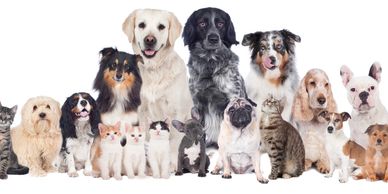
Pet insurance helps pet owners manage the cost of unexpected veterinary care by reimbursing a portion of eligible medical expenses when a covered illness or injury occurs. Coverage typically includes accidents, illnesses, diagnostic testing, imaging, prescriptions, surgeries, and emergency care. Many policies also offer optional wellness coverage for routine services such as annual exams, vaccinations, and preventive treatments. Pet insurance allows owners to focus on their pet’s health—not the financial stress of care.
Kennel Insurance
Kennel Insurance
Kennel Insurance
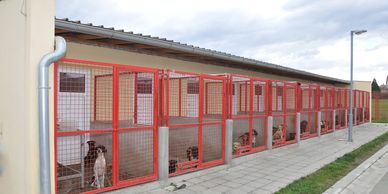
Kennel operations face daily risks from animal care, client interaction, and property exposure. A proper kennel insurance policy is designed to protect the business from liability claims, animal-related losses, property damage, and income disruption. Core coverages typically include General Liability for customer injuries and property damage, Animal Bailee Liability for injury, loss, or death of animals in your care, Property Insurance for buildings, kennels, and equipment, Workers’ Compensation for employee injuries, and Care, Custody & Control protection. Many programs also include Business Interruption, Professional Liability for grooming or training services, and Commercial Auto for animal transport.
Dog Groomers
Kennel Insurance
Kennel Insurance
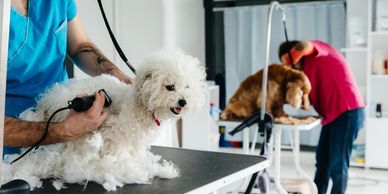
Dog groomers face daily risks from handling animals, working with sharp tools, and interacting with the public. Proper dog groomer insurance protects your business from claims involving pet injuries, customer accidents, property damage, and employee injuries. Core coverage typically includes General Liability for third-party injuries and property damage, Animal Bailee / Care, Custody & Control for pets injured while in your care, Professional Liability for grooming-related errors, Commercial Property for your shop, tools, and equipment, and Workers’ Compensation for employee injuries. Mobile groomers may also need Commercial Auto and Equipment Coverage for loss or damage in transit.
Dog Training
Food Processing
Dog Training
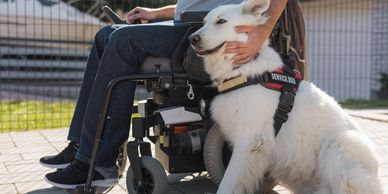
Dog trainers face unique risks from handling animals, working with clients, and providing behavioral instruction in public and private settings. Proper dog trainer insurance protects against injuries, property damage, and professional liability claims that can arise from training activities. Essential coverages typically include General Liability for client injuries and property damage, Professional Liability for training-related advice or errors, Care, Custody & Control (Animal Bailee) for dogs injured while in your care, and Commercial Property for training equipment and facilities. Trainers who travel between locations or offer in-home services may also need Commercial Auto coverage. If employees are involved, Workers’ Compensation is required to protect both staff and the business.
Butchers
Food Processing
Dog Training
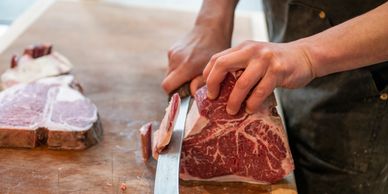
Butchers and meat processors face significant risks related to sharp equipment, food safety, employee injuries, and public exposure. Proper butcher insurance protects the business from liability claims, property losses, product contamination, and income disruption. Essential coverages typically include General Liability for customer injuries and property damage, Product Liability for foodborne illness and contamination claims, Commercial Property for the building, refrigeration units, freezers, and equipment, and Workers’ Compensation for employee injuries involving knives, saws, and heavy lifting. Many operations also need Equipment Breakdown for refrigeration failures, Business Interruption for shutdowns due to covered losses, and Commercial Auto for meat delivery vehicles.
Food Processing
Food Processing
Food Processing
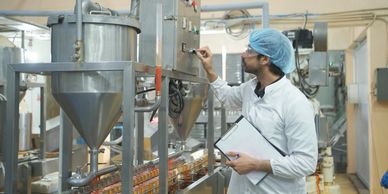
Food processors face high exposure to product safety, equipment failure, employee injury, and regulatory risk. Proper food processing insurance protects the business from claims involving contamination, spoilage, property damage, and business interruption. Essential coverages typically include General Liability for third-party injuries and property damage, Product Liability for foodborne illness and contamination claims, Commercial Property for buildings, machinery, refrigeration, and inventory, and Workers’ Compensation for employee injuries. Most operations also require Equipment Breakdown for production and refrigeration failures, Business Interruption for lost income during shutdowns, Commercial Auto for delivery vehicles, and Recall Expense Coverage to manage the cost of removing contaminated products from the market.
Winery
Orchards
Food Processing
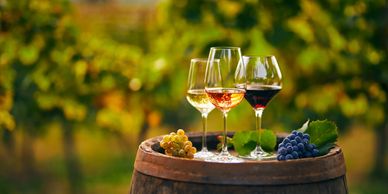
Wineries face a unique combination of agricultural, manufacturing, hospitality, and retail risks. Proper winery insurance is designed to protect against losses related to property damage, product liability, tasting room exposure, equipment failure, and business interruption. Essential coverages typically include General Liability for visitor injuries and property damage, Product Liability & Liquor Liability for wine-related claims, Commercial Property for buildings, vineyards, barrels, tanks, and inventory, and Workers’ Compensation for employee injuries. Most wineries also need Equipment Breakdown for refrigeration and production systems, Business Interruption for income loss after a covered shutdown, Commercial Auto for delivery vehicles, and Crop/Vineyard Coverage for grape losses due to weather or disease.
Brewery
Orchards
Orchards
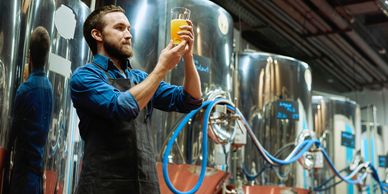
Breweries face a unique mix of manufacturing, hospitality, and retail risks. Proper brewery insurance is designed to protect against product liability, property damage, equipment failure, and customer exposure. Essential coverages typically include General Liability for customer injuries and property damage, Product Liability & Liquor Liability for claims related to alcohol service and contaminated products, Commercial Property for the building, brewing equipment, tanks, and inventory, and Workers’ Compensation for employee injuries. Most breweries also need Equipment Breakdown for boilers, refrigeration, and production systems, Business Interruption for lost income after a covered shutdown, and Commercial Auto for distribution and delivery vehicles. Taprooms and event spaces may also require Special Event and Premises Liability enhancements.
Orchards
Orchards
Orchards
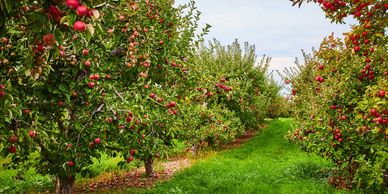
Orchards face a mix of agricultural, property, liability, and seasonal business risks. Proper orchard insurance protects against losses from weather damage, crop failure, visitor exposure, equipment breakdown, and income interruption. Essential coverages typically include Farm or Commercial General Liability for visitor injuries and property damage, Crop Insurance for loss of fruit due to weather, disease, or natural disaster, Commercial Property for barns, storage buildings, refrigeration units, and equipment, and Workers’ Compensation for seasonal and full-time labor injuries. Many orchards also need Business Interruption for lost income after a covered loss, Equipment Breakdown for refrigeration and processing equipment, and Commercial Auto for delivery and transport vehicles. Pick-your-own operations and agritourism activities may require Special Event and Premises Liability enhancements.